Studio Damm Guide: How architects choose the right sliding door handle for modern projects
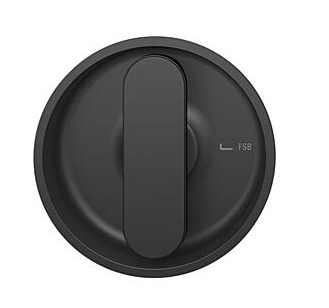
A sliding door handle should be easy to use, discreet and strong enough for daily traffic. Architects need to consider handle shape, security, integration with lock boxes and how the handle fits the door material. In this guide, we bring together the most important choices so you can design sliding doors that look elegant and work in both offices and residential projects. We also touch on acoustics, access control, installation and maintenance so that projects stay operational without surprises. Studio Damm can provide samples and technical sparring so you can make decisions early. At the same time, we point out pitfalls that are often only discovered late in the construction process.
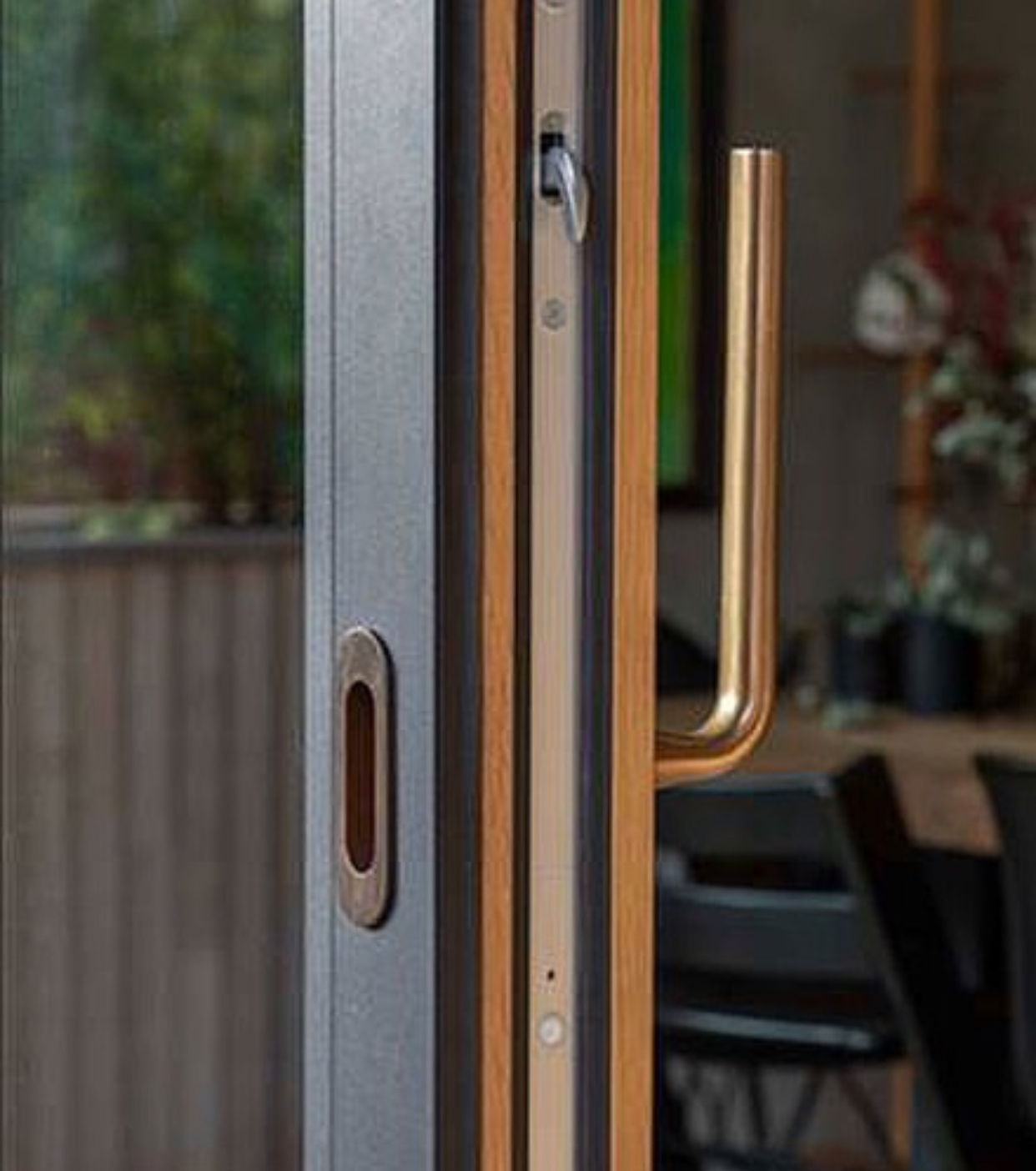
Ergonomics and grip shape of sliding door handles
A sliding door handle should provide secure control with minimal force, as users often have their hands full. Choose a handle depth and shape that matches the thickness and weight of the door, so that no one has to twist their wrist to get a grip. Grooved or soft profiles provide a good grip, while recessed bowl handles save space in narrow passages and reduce the risk of getting caught in clothing. Test the solution with users carrying bags or equipment, so you know that the sliding door can be operated with one hand or with an elbow in emergency situations. Also check the height placement, so that both children and seated users can reach the handle. If the door is heavy, a larger grip surface can provide better force transfer. Rounded edges reduce the risk of impact if the handle is located in a walkway. Choose a handle width that also works with gloves if the door is used outdoors. Avoid sharp joints, so that the handle is easy to clean.
Materials, finishes and interaction with other fittings
Material choices signal quality and make it easier to distinguish zones. A brushed steel handle gives a technical look, while warmer metals match residential environments or lounge areas. Make sure the handle plays with window handles and other fittings so that the whole is consistent in both color and reflection. Avoid finishes that show fingerprints too clearly if the door is in a busy office, and test against the cleaning agents in the operating plan. Use solid-colored screws or hidden fasteners so that the detail looks tidy. For glass doors, you can choose backplates in the same color as the profiles so that the handle visually blends in. In bathroom facilities, stainless or anodized finishes can be more reliable than untreated brass. Also consider whether the handle should be removable in cleaning zones. If the door is to be used in a dark room, a light edge on the handle can help orientation.

Security, lock boxes and magnetic locks
Sliding doors can secure rooms if the handle is combined with lock boxes and magnetic locks that match the door material. Choose certified components when access control is required, and make sure that the handle has space for a key or thumbturn without cutting your fingers. Also clarify whether the door should be lockable from both sides, and plan emergency opening to meet regulatory requirements. Integrate the fittings into the edge of the door so that they do not protrude too much and hit the wall. Remember to coordinate with access control if the door is to be connected to a central system. Also check whether the sliding door should be included in fire or smoke zones, and whether the handle must withstand testing. In hotels, interior sliding doors may require child safety; clarify this in the program. Make sure that wa